
What Businesses Should Know About Commercial Gas Piping Systems
People searching for commercial gas piping installation are usually looking to ensure safe, code-compliant systems; local contractors can handle the installation and help meet their needs.
Businesses that rely on commercial gas for cooking, heating, or manufacturing need to understand the essentials of commercial gas piping systems. Properly designed and installed piping ensures safe, efficient operation while helping to prevent costly disruptions or hazards. Property owners in the area who are planning new facilities, upgrading existing infrastructure, or maintaining their current systems may find it beneficial to learn about the key considerations involved in commercial gas piping. This knowledge allows them to make informed decisions and ensures that any installation or repair work aligns with safety standards and operational needs.
Connecting with experienced local contractors can provide valuable insights into the complexities of commercial gas piping systems. These professionals offer services that help ensure systems are installed correctly and maintained properly, supporting the smooth functioning of a business’s operations. Whether upgrading an existing setup or installing new piping, property owners can benefit from expert guidance tailored to the specific requirements of their property. Exploring this topic further can help ensure that commercial gas systems are safe, reliable, and compliant with local regulations.
- Commercial Gas Piping Installation - businesses requiring new gas lines for appliances or equipment can rely on local contractors to ensure proper setup and safety compliance.
- Gas line upgrades or replacements - when existing piping needs modernization or repair, local service providers assess the system and perform necessary upgrades efficiently.
- Leak detection and repair - if a gas system shows signs of leaks or irregular performance, local pros can identify issues and execute repairs to prevent hazards.
- System inspections and code compliance - businesses planning to expand or modify their operations often need inspections to meet local codes, which local contractors can provide.
- Emergency gas line services - in cases of suspected leaks or damage, local service providers respond promptly to mitigate risks and restore system safety.
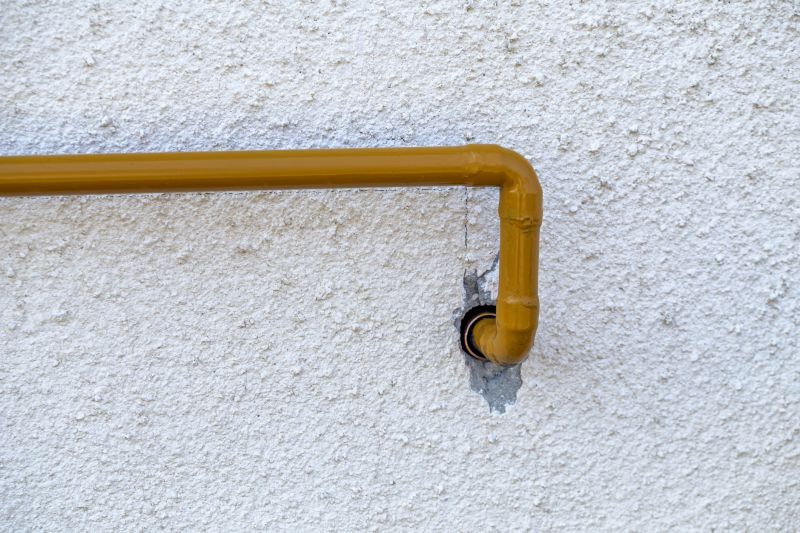
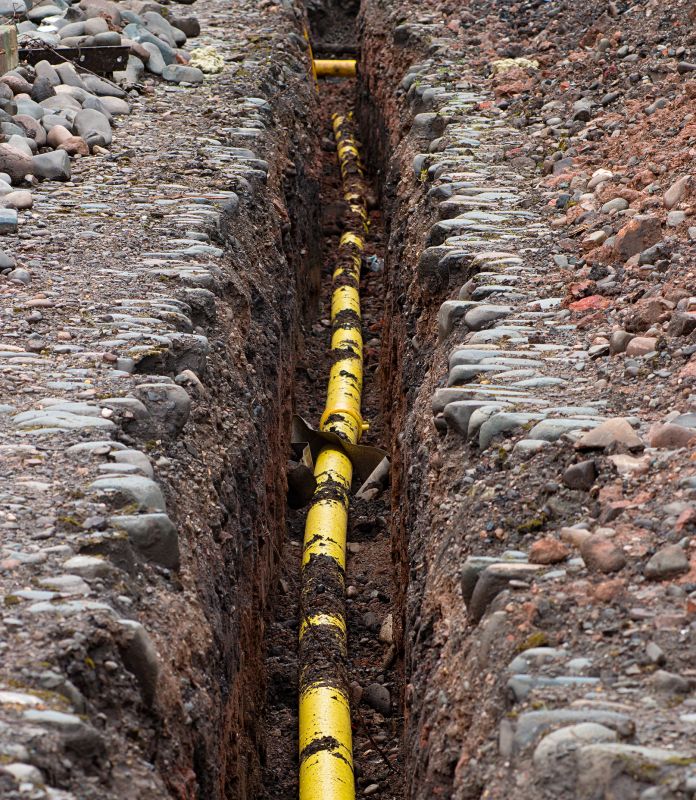
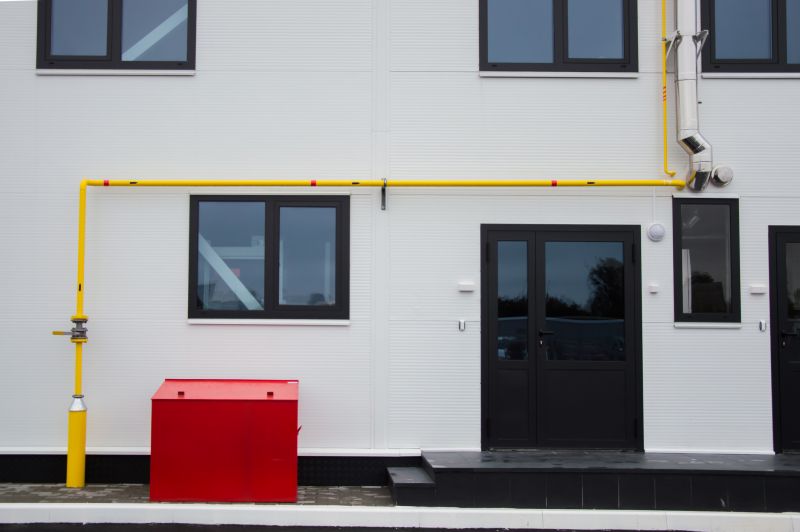
Understanding what businesses should know about commercial gas piping systems is essential for ensuring safe and efficient operations in many types of commercial properties. These systems are designed to deliver natural gas or propane to various appliances and equipment, including heating units, ovens, water heaters, and industrial machinery. When searching for information on this topic, many are typically interested in how these systems are installed, maintained, or repaired, especially if they are planning a new construction project or upgrading existing infrastructure. Clear knowledge of the components involved, such as pipes, valves, regulators, and safety devices, helps business owners and facility managers make informed decisions about their building’s gas needs and compliance requirements.
The relevance of commercial gas piping systems often ties to specific problems or plans that arise in the course of property management or development. For example, issues such as gas leaks, pressure irregularities, or outdated piping can pose safety risks or disrupt daily operations. On the planning side, businesses might be considering expanding their facilities or adding new equipment that requires a reliable gas supply. These projects often involve evaluating existing infrastructure or designing new systems that meet local codes and safety standards. Understanding the scope of work and the role of experienced service providers is crucial for ensuring that installations or upgrades are completed correctly and efficiently.
Typically, properties that come up in discussions about commercial gas piping include restaurants, hotels, manufacturing plants, and large retail spaces. These properties often rely heavily on gas-powered appliances and equipment, making the integrity and safety of their piping systems a top priority. Warehouses with heating systems, food production facilities, and any business with on-site generators or industrial machinery also frequently require specialized gas piping solutions. Knowing what to expect from these systems helps property owners and managers plan for proper installation, potential repairs, or upgrades, ensuring continuous operation and compliance with safety standards.
When considering commercial gas piping systems, it’s important for businesses to understand how local service providers can assist with their needs. These professionals specialize in installing, inspecting, and repairing gas piping to ensure it functions safely and efficiently. They can evaluate existing systems to identify potential issues, design new piping layouts for expansions, or replace outdated components. Connecting with experienced contractors helps property owners navigate the complexities of gas system requirements, avoid costly mistakes, and maintain operational safety. Engaging with local pros ensures that the project aligns with local codes and standards, providing peace of mind that the gas infrastructure supports the business’s ongoing needs.
Commercial kitchen plumbing upgrades - these projects often require precise gas piping installation to ensure safe and efficient operation, making them relevant for those familiar with commercial gas systems.
Restaurant or food service facility builds - constructing new food service spaces involves planning and installing gas piping systems tailored to commercial kitchen needs, which aligns with commercial gas piping expertise.
Industrial process piping projects - similar skills are needed for installing and maintaining gas piping in industrial settings, where safety and compliance are critical.
HVAC and mechanical system installations - these projects often incorporate gas lines for heating systems, requiring knowledge of gas piping layout and safety protocols.
Fire suppression system installations - some systems involve gas components that demand careful planning and installation, paralleling skills used in commercial gas piping systems.
Building retrofit and renovation projects - updating existing structures with new gas lines or rerouting existing piping involves planning and installation skills similar to those used in commercial gas piping services.
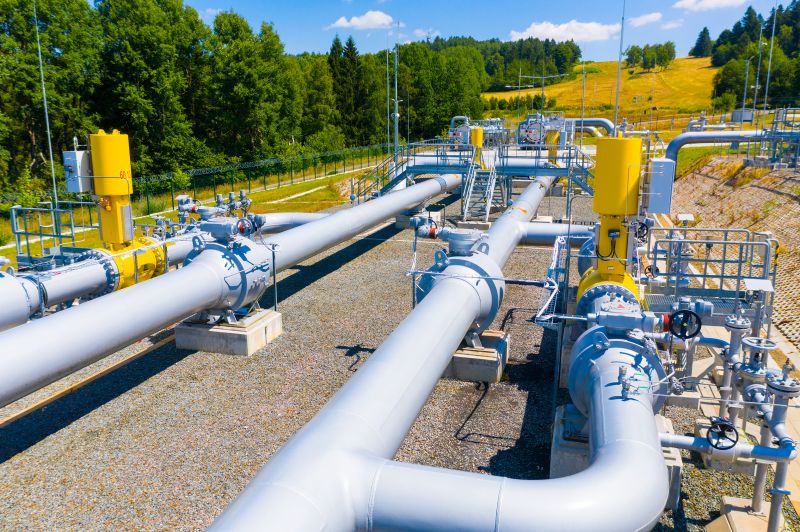
When comparing service providers for commercial gas piping installation, it is important to evaluate their experience with similar projects. Local contractors who have a proven track record of handling commercial gas piping systems can offer insights into the specific challenges and requirements of such work. Asking about previous projects that resemble the scope and complexity of the installation can help ensure the chosen professional understands the nuances involved, leading to a smoother process and a reliable outcome.
Clear, written expectations are essential when selecting a contractor for commercial gas piping services. A reputable service provider should be able to outline the scope of work, materials to be used, and the projected steps involved in the installation process. Having these details in writing helps prevent misunderstandings and provides a reference point throughout the project, ensuring that both parties are aligned on what is to be delivered and how it will be accomplished.
Reputable references and effective communication are also key factors to consider. Service providers with strong references from previous clients can demonstrate their ability to deliver quality work and maintain professionalism. Additionally, good communication-such as responsiveness to questions and clarity in explanations-helps build confidence in the contractor’s ability to manage the project efficiently. When comparing local pros, these qualities can make a significant difference in the overall experience and success of the commercial gas piping installation.
Property owners often search for what businesses should know about commercial gas piping systems when they are planning practical projects around their homes and businesses. Local pros provide Commercial Gas Piping Installation services for everyday jobs and straightforward project options.
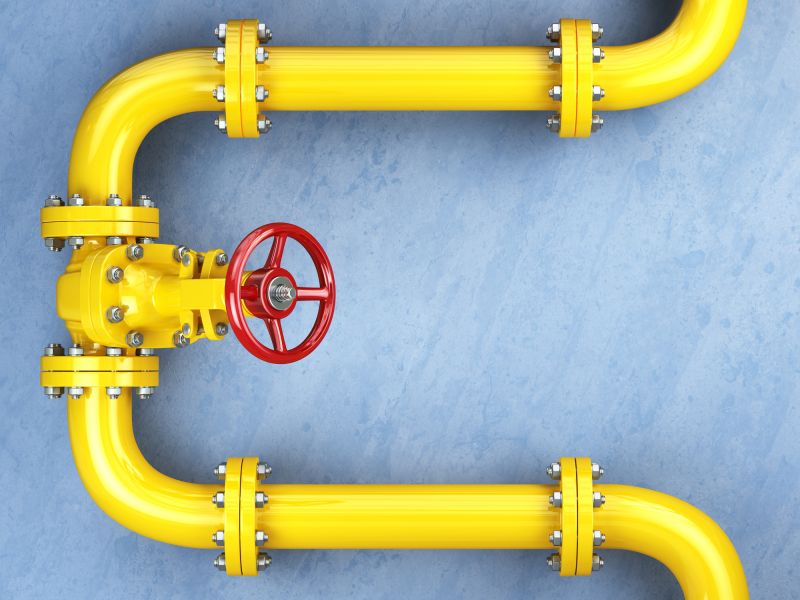
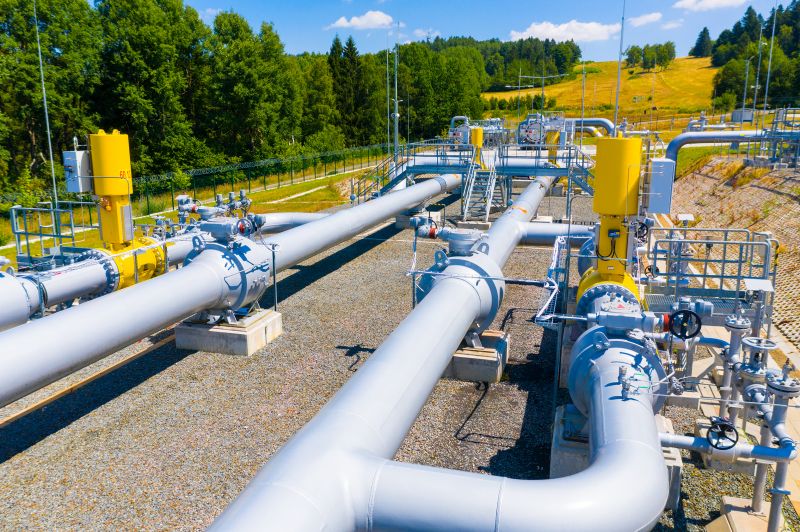
Understanding the essentials of commercial gas piping systems is important for property owners managing business spaces that rely on natural gas for heating, cooking, or equipment operation. Everyday project situations such as upgrading existing systems, expanding facilities, or ensuring compliance with safety standards often lead property owners to seek professional installation services. Local contractors experienced in commercial gas piping can assess the specific needs of a business, help design efficient layouts, and ensure proper installation to support smooth operations and safety.
Business owners might look into commercial gas piping installation services when planning renovations or new construction projects that involve gas-powered appliances or systems. Proper installation by skilled service providers helps prevent issues like leaks, pressure problems, or code violations, which can disrupt daily operations or pose safety risks. Connecting with local experts ensures that the gas piping system is installed correctly according to industry standards, giving property owners peace of mind and a reliable foundation for their business needs.
What are the key considerations for installing commercial gas piping systems? Businesses should ensure proper planning of gas piping layouts, compliance with safety standards, and selecting durable materials. Local contractors can help evaluate the specific needs of the facility and recommend suitable solutions.
Why is professional installation important for commercial gas piping systems? Professional installation ensures the system is properly designed and installed to prevent leaks, ensure safety, and meet building codes. Experienced service providers can handle the complexities involved in commercial settings.
What types of materials are commonly used for commercial gas piping? Common materials include steel, copper, and flexible piping options, chosen based on the application's pressure and durability requirements. Local contractors can advise on the best materials for specific business needs.
How can businesses ensure their gas piping systems remain safe and reliable? Regular inspections and maintenance by qualified service providers help identify potential issues early. Ensuring proper installation from the start also contributes to long-term safety and performance.
What role do local service providers play in commercial gas piping installation? They handle the design, installation, and testing of gas piping systems, ensuring compliance with safety standards and building codes. Connecting with experienced local contractors helps ensure the system is installed correctly and safely.
Understanding system components - Knowing the key parts of commercial gas piping systems helps property owners plan for proper installation and maintenance with local contractors.
Inspecting for leaks - Regular checks for gas leaks can prevent hazards and ensure the system operates safely, with local pros providing expert inspection services.
Planning for code compliance - Familiarity with local building codes and regulations ensures that commercial gas piping installations meet legal standards, with service providers guiding compliance.
Selecting appropriate materials - Choosing the right piping materials for specific business needs enhances safety and durability, with local contractors offering material recommendations.
If you are thinking about what businesses should know about commercial gas piping systems for a property, this guide is meant to help you understand this topic, the typical project types, and how different options might fit your plans.
When you are ready, you can use the quote form on this page to share a few details about your project. From there, local pros can review the basics and follow up with options that match what you have in mind.